

For new investors, finding the right market is the most important first step toward building a profitable rental portfolio. The real estate landscape is always changing, with things like population growth, new jobs, and housing affordability creating demand in different places. This guide looks past the headlines to give you a data-driven overview of the top 10 best markets for rental properties today.
We'll explain the key numbers that matter, like the rent-to-price ratio (how much rent you can get compared to the home's price) and job growth, to help you find places with good monthly income and long-term value. Before we get to the list, let's talk about what makes a rental market "the best" and how you can use these ideas in your own search.
A great market isn't just about high rent; it's about a strong, stable local economy that keeps people wanting to live there for years to come. To find potential hotspots and make smart decisions, you can explore top real estate market analysis tools. Throughout this article, we'll also show you how powerful platforms like Flip Smart can help you analyze deals in these markets, turning confusing data into a confident investment choice. This guide is your roadmap to finding, analyzing, and buying properties in the country's most promising locations.
1. Austin, Texas - Tech Hub Growth Market
Austin's incredible growth, thanks to its booming tech industry, makes it one of the best markets for rental properties. Big companies like Tesla, Oracle, and Apple have moved or expanded here, creating a ton of jobs and attracting a steady stream of young, high-earning professionals. This constant flow of new people means there's always a high demand for rental homes.
This isn't just about jobs; it's about a desirable lifestyle that makes tenants want to stay. Unlike some markets that are all hype, Austin’s growth is backed by real economic development, which provides a solid foundation for your investment.
Investment Hotspots & Strategy
While downtown Austin has high rents, the best opportunities for monthly income and long-term value are often in the surrounding neighborhoods.
- East Austin: This area is being revitalized and is very popular with young professional renters. Modern single-family homes and duplexes are doing well here.
- South Congress Corridor: Known for its trendy vibe, this area has seen property values increase by 8-10% per year. Properties here can get top-dollar rent and attract long-term tenants.
- Northern Suburbs: Places like Round Rock and Cedar Park have large company offices and great schools, making them perfect for 2-3 bedroom single-family rentals for families and tech workers.
Actionable Tips for Austin Investors
To do well in this market, focus on making data-driven decisions. Look for properties that appeal to the main types of renters: young professionals and families.
- Focus on Emerging Areas: Look at neighborhoods south and east of downtown for a better balance between the purchase price and potential rental income.
- Target Key Demographics: 2-3 bedroom homes are in high demand from both professional roommates and young families.
- Analyze Before You Buy: Use tools to find areas with rising property values and run the numbers. For a detailed guide, see our post on how to analyze a rental property.
- Location is Paramount: Check a property's distance to major tech companies, job centers, and public transportation to make it more appealing to renters.
2. Nashville, Tennessee - Emerging Entertainment Market
Nashville's transformation into a major entertainment and healthcare center makes it one of the best markets for rental properties. The city’s famous music scene, plus a fast-growing healthcare industry led by companies like HCA Healthcare, creates a wide range of steady jobs. This mix attracts musicians, young professionals, and healthcare workers.
This influx of new residents is driven by a high quality of life and a cost of living that's still reasonable compared to other big cities. Because Nashville's economy isn't reliant on just one industry, it provides a strong foundation for long-term real estate investment and steady rental demand.
Investment Hotspots & Strategy
While downtown is popular, smart investors are finding better value and growth in Nashville's unique and developing neighborhoods.
- The Nations: Located in West Nashville, this area is seeing a lot of new construction and business growth. It's a hotspot for young professionals, with property values increasing by up to 12% annually.
- Germantown: This historic area attracts high-earning renters with its walkability and great restaurants. Renovated historic homes and modern condos are very popular.
- Donelson / Music Valley: Close to the airport and the Grand Ole Opry, this area is great for both traditional long-term rentals and short-term rentals (like Airbnb) for tourists.
Actionable Tips for Nashville Investors
Success in Nashville means having a strategy that plays to its economic strengths. Focus on properties that appeal to the city's key renters: healthcare professionals, artists, and young families.
- Focus on Proximity: Look for properties within a 10-15 minute commute of downtown and major hospitals like Vanderbilt University Medical Center to attract the best tenants.
- Target Key Demographics: 1-2 bedroom apartments and townhomes are great for young professionals, while single-family homes in good school districts appeal to families.
- Analyze Your Numbers: Use tools to compare your property to others in the area and predict your financial returns. For a deeper look at what to expect, read our guide on the average returns on rental property.
- Monitor Job Growth: Keep an eye on job news in the healthcare, tech, and entertainment industries to see where rental demand will grow next.
3. Denver, Colorado - Millennial Migration Hub
Denver's strong rental market is driven by a steady flow of young professionals, especially millennials, who love its mix of outdoor lifestyle and job opportunities. The city’s diverse economy—with jobs in tech, aerospace, and healthcare—provides a stable employment base that keeps attracting new residents who find it more affordable than coastal cities.
This constant arrival of new tenants creates consistent demand for rental housing. Because Denver's economy is well-rounded, it provides a reliable tenant pool, making it one of the best markets for rental properties for investors looking for both monthly income and long-term growth.
Investment Hotspots & Strategy
While the whole metro area is promising, certain neighborhoods offer better returns. Targeting areas that are being revitalized or are close to major job centers is a smart strategy.
- South Platte River District: This area is undergoing major revitalization and has strong potential for appreciation. It attracts renters who want modern amenities and easy access to downtown and outdoor activities.
- LoDo (Lower Downtown): This lively, established neighborhood consistently gets high rents and holds its value, making it a stable, lower-risk choice.
- Tech Center Corridor: The Denver Tech Center (DTC) creates high demand for 1-bedroom and studio apartments, appealing to the thousands of people working in the area.
Actionable Tips for Denver Investors
To succeed in Denver, you need a strategy tailored to its unique renters and development trends.
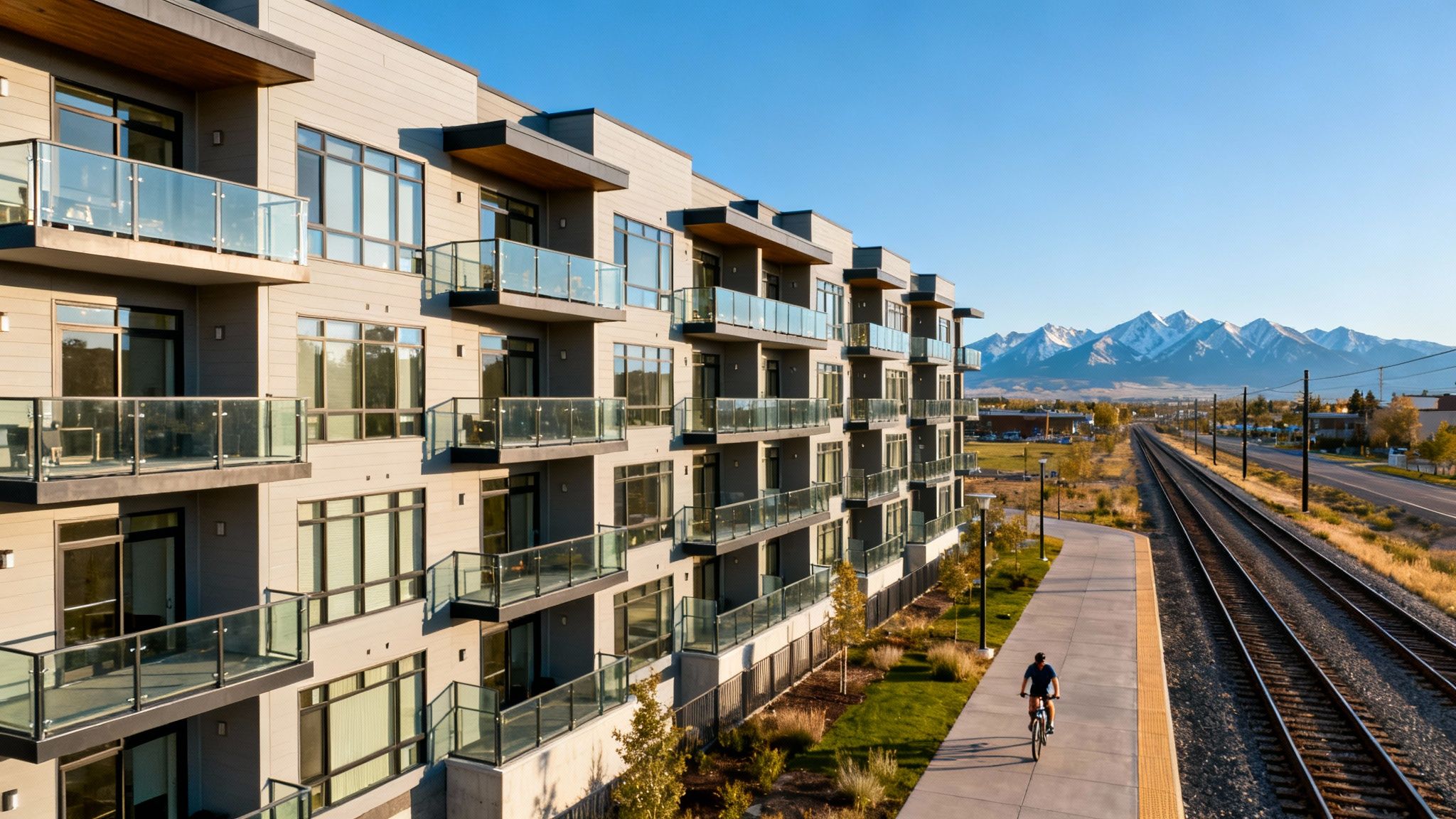
- Focus on Transit-Oriented Properties: Target properties near light rail stations. This is a huge plus for tenants and helps the property's value grow over time.
- Target Key Demographics: When advertising your property, highlight its closeness to trails, parks, and mountains to attract outdoor lovers and young professionals.
- Analyze Renovation Costs: Use tools like Flip Smart to accurately estimate renovation costs, keeping Denver’s specific building codes and labor costs in mind.
- Track Population Trends: Watch for migration data from states like California and New York, as these new residents are a major source of rental demand. For more insights on this, see our guide on how to find great investment properties.
4. Phoenix, Arizona - Sun Belt Growth Powerhouse
Phoenix's massive population growth and investor-friendly climate make it one of the best markets for rental properties. The area attracts a diverse mix of retirees, remote workers, and families who come for its relative affordability and growing job market.
This powerful mix of high demand and lower property costs creates a perfect environment for investors looking to buy and hold properties. Unlike more unpredictable markets, Phoenix’s growth is supported by various industries, including technology, healthcare, and manufacturing, providing a stable foundation for long-term investment and rental income.

Investment Hotspots & Strategy
While the entire metro area is growing, certain submarkets offer excellent returns. Focusing on areas with strong job growth and lifestyle perks is key.
- Chandler: Driven by a strong tech presence, this suburb has seen property values increase by 8-10% annually. It's ideal for single-family rentals targeting families who value its excellent schools.
- Tempe: Home to Arizona State University, Tempe has constant and predictable demand for student housing. Small apartment buildings and single-family homes here are high-yield investments.
- Scottsdale: This wealthy area gets premium rents and attracts high-quality, long-term tenants. While homes cost more here, the potential for strong appreciation and stable income is significant.
Actionable Tips for Phoenix Investors
To succeed in the competitive Phoenix market, focus on properties that cater to the desert lifestyle and key renter groups. Data analysis is crucial to navigate this fast-moving environment.
- Prioritize Outdoor Amenities: In a desert climate, a swimming pool or a nice backyard is a major draw for tenants and can justify higher rent.
- Target Employment Hubs: Focus on buying properties in areas like Chandler, Tempe, and Scottsdale, which are close to major job centers.
- Analyze Cash Flow Potential: Use a cash flow calculator to find properties with the highest income potential, making sure to include all expenses, like potentially high HOA fees.
- Consider Water-Efficient Upgrades: Properties with desert landscaping (xeriscaping) and water-saving fixtures are increasingly appealing to renters and can lower utility bills.
5. Raleigh-Durham, North Carolina - Research Triangle Tech Center
The Raleigh-Durham area, known as the Research Triangle, offers a powerful mix of economic stability and growth, making it one of the best markets for rental properties. Anchored by the Research Triangle Park (RTP) and top universities like Duke, UNC, and NC State, the region attracts a highly educated, high-earning workforce. This creates a deep and reliable pool of tenants, including tech professionals, researchers, and academics.
Unlike more volatile markets, Raleigh-Durham's growth is built on the stable foundations of technology, education, and healthcare. This provides investors with a lower-risk opportunity, combining strong, consistent rental income with promising long-term appreciation.
Investment Hotspots & Strategy
While the entire Triangle is strong, specific submarkets offer unique advantages for investors.
- Durham: Areas around the American Tobacco Campus and downtown Durham are attracting young professionals who will pay higher rent for modern apartments and townhomes with city amenities.
- Downtown Raleigh: Major revitalization projects have led to steady property value increases of 6-8% annually. Properties here benefit from being close to major employers and a lively city center.
- Chapel Hill & Carrboro: The constant demand from university students, faculty, and hospital staff creates an incredibly stable rental market, especially for smaller single-family homes and condos.
Actionable Tips for Raleigh-Durham Investors
Success in this market depends on targeting the right renters with the right type of property in a strategic location.
- Focus on Employment Hubs: Prioritize properties with easy commutes to RTP, downtown business districts, and major hospitals to attract high-quality, long-term tenants.
- Target Key Demographics: 2-3 bedroom single-family homes and townhouses are in high demand from both tech professionals and young families looking for good school districts.
- Analyze Across the Triangle: The three main cities offer different opportunities. Use market analysis tools to compare rent-to-price ratios in Raleigh, Durham, and Chapel Hill to find the best fit for your strategy.
- Monitor Corporate Expansion: Keep track of news from companies like Apple and Google, as new office developments create predictable pockets of high rental demand.
6. Tampa, Florida - Urban Renewal Waterfront Market
Tampa's market is a great example of how urban renewal can drive real estate value, making it one of the best markets for rental properties in the Sun Belt. Major waterfront revitalization, combined with a growing number of professionals and remote workers, has turned the city into a dynamic rental hub. This growth is also helped by Florida’s no-income-tax policy and a diverse job market.
The city offers a unique combination of relatively low property prices and strong potential for appreciation. Unlike markets that have already peaked, Tampa's growth is supported by real infrastructure projects and a desirable coastal lifestyle, ensuring steady demand and providing a solid foundation for long-term investors.
Investment Hotspots & Strategy
While the entire Tampa Bay area is growing, specific neighborhoods offer the best mix of rental demand and future growth.
- Channelside District: This waterfront area is in the middle of a massive redevelopment boom, with property values rising 10-12% annually. New high-rise condos and apartments command high rents from young professionals.
- Hyde Park: This historic and walkable neighborhood attracts high-income renters with its boutique shops, restaurants, and classic homes, ensuring low vacancy rates.
- Downtown Tampa & Ybor City: Both areas are undergoing significant revitalization, creating new jobs and housing demand. Investors are buying single-family homes and multi-unit properties for students and professionals.
Actionable Tips for Tampa Investors
Success in Tampa requires focusing on revitalization areas and understanding coastal-specific risks.
- Focus on Revitalization Zones: Target properties in and around Channelside, Downtown, and Ybor City to benefit from ongoing public and private investment.
- Prioritize Employment Hubs: Invest near major job centers like the downtown core, the Westshore business district, and the growing medical district to attract stable, long-term tenants.
- Assess Environmental Risks: Make sure any property has adequate hurricane insurance. For properties in flood-prone areas, confirm they are raised above flood zones to reduce risk and lower insurance costs.
- Monitor Development Projects: Stay informed about major projects like the Water Street Tampa development. These can create opportunities through appreciation but also risks from construction.
7. Portland, Oregon - Eco-Conscious Urban Market
Portland's unique appeal, based on its eco-conscious culture and focus on high-quality city living, makes it one of the best markets for rental properties for a specific type of investor. The city attracts a steady stream of educated, environmentally-aware professionals who prioritize walkability, public transit, and an active lifestyle. This creates consistent demand for well-located rentals from a stable, high-income tenant base.
This market is less about fast, risky growth and more about long-term, stable returns. Portland's reputation for quality of life, combined with its strong job market in tech and healthcare, provides a solid economic foundation for real estate investment.
Investment Hotspots & Strategy
While downtown offers high-density living, the best opportunities often mix city access with neighborhood charm.
- Pearl District: This area continues to get premium rents, often between $1,800-$2,200 for nice units. It remains a magnet for high-earning professionals who want a high-end, walkable urban experience.
- Southeast Neighborhoods: Areas like Hawthorne are hubs for creatives and young professionals, drawn to the vibrant local business scene. These neighborhoods have seen steady property value increases of 5-7% per year.
- Close-in Suburbs: Beaverton and Hillsboro, part of the "Silicon Forest," are ideal for single-family rentals. They attract tech workers and families with their excellent schools and proximity to major employers like Nike and Intel.
Actionable Tips for Portland Investors
Success in Portland requires a strategy that aligns with the city's values and regulations. Focus on properties that cater to the lifestyle-oriented renter.
- Focus on Walkability: Prioritize properties with high walk and bike scores, close to MAX light rail stops or frequent bus lines. This is a top priority for Portland renters.
- Highlight Green Features: Market sustainability upgrades like energy-efficient appliances or EV charging stations. These features can justify higher rents to eco-conscious tenants.
- Understand Local Regulations: Portland has strong tenant-protection laws. It's crucial to understand these rules about rent control and evictions before investing.
- Target Key Demographics: Properties with dedicated bike storage, home office space, and closeness to parks and farmers' markets are highly desirable.
8. Charlotte, North Carolina - Banking and Finance Hub
Charlotte’s status as the nation's second-largest banking center makes it one of the best markets for rental properties. The city’s economy is anchored by financial giants like Bank of America and Wells Fargo, ensuring a steady flow of high-earning professionals who form a reliable tenant base. This strong job market translates directly into consistent demand for rental housing.
Unlike more volatile markets, Charlotte offers a balanced investment. It combines reasonable property prices with strong, stable rent growth and solid appreciation potential. This economic stability provides investors with a dependable foundation for building a long-term rental portfolio with lower risk.
Investment Hotspots & Strategy
While the entire metro area is growing, certain neighborhoods offer a better mix of tenant demand and investment return.
- Uptown Charlotte: This central business district is a magnet for young finance professionals seeking modern apartments and condos. The constant demand from corporate employees keeps vacancy rates low and rents high.
- South End: Known for its trendy atmosphere, this area has seen property values increase by 7-9% annually. Its mix of breweries, boutiques, and light rail access makes it highly desirable for younger renters.
- Ballantyne: This wealthy suburban area in South Charlotte is ideal for family rentals. With top-rated schools and a corporate park, it maintains strong, consistent demand for 3-4 bedroom single-family homes.
Actionable Tips for Charlotte Investors
To succeed in the Charlotte market, investors should focus on properties that appeal to the city's core demographic of finance and tech professionals.
- Target the Finance District: Prioritize properties with easy commutes to Uptown to attract the stable, high-income tenants working in the banking sector.
- Focus on Key Property Types: 2-3 bedroom properties are in high demand, appealing to both professional roommates in areas like South End and young families in suburbs like Ballantyne.
- Monitor Corporate Growth: Keep an eye on major corporate expansions. Recent announcements from companies like Apple and Google signal future job growth that will fuel housing demand.
- Analyze Neighborhood Data: Use tools to compare rental rates and appreciation potential across Charlotte's distinct neighborhoods before investing.
9. Boise, Idaho - Affordable Emerging Frontier Market
Boise represents a new and exciting rental market opportunity, combining exceptional affordability with strong population growth. The market attracts remote workers and professionals looking for a lower cost of living without sacrificing quality of life. This influx creates steady demand for rental housing, making Boise one of the best markets for rental properties for investors seeking ground-floor opportunities.
With some of the lowest property prices among major growth markets, Boise offers excellent monthly income potential and significant room for property values to grow. This growth is supported by real economic drivers, including major employers like Micron Technology and a growing startup scene, providing a stable foundation for investment.
Investment Hotspots & Strategy
While the entire Boise area is growing, certain neighborhoods offer a strategic advantage for rental investors.
- Downtown Boise: Ongoing revitalization projects are attracting young professionals and driving high rental demand. Properties here have seen appreciation rates between 12-15% as new businesses open.
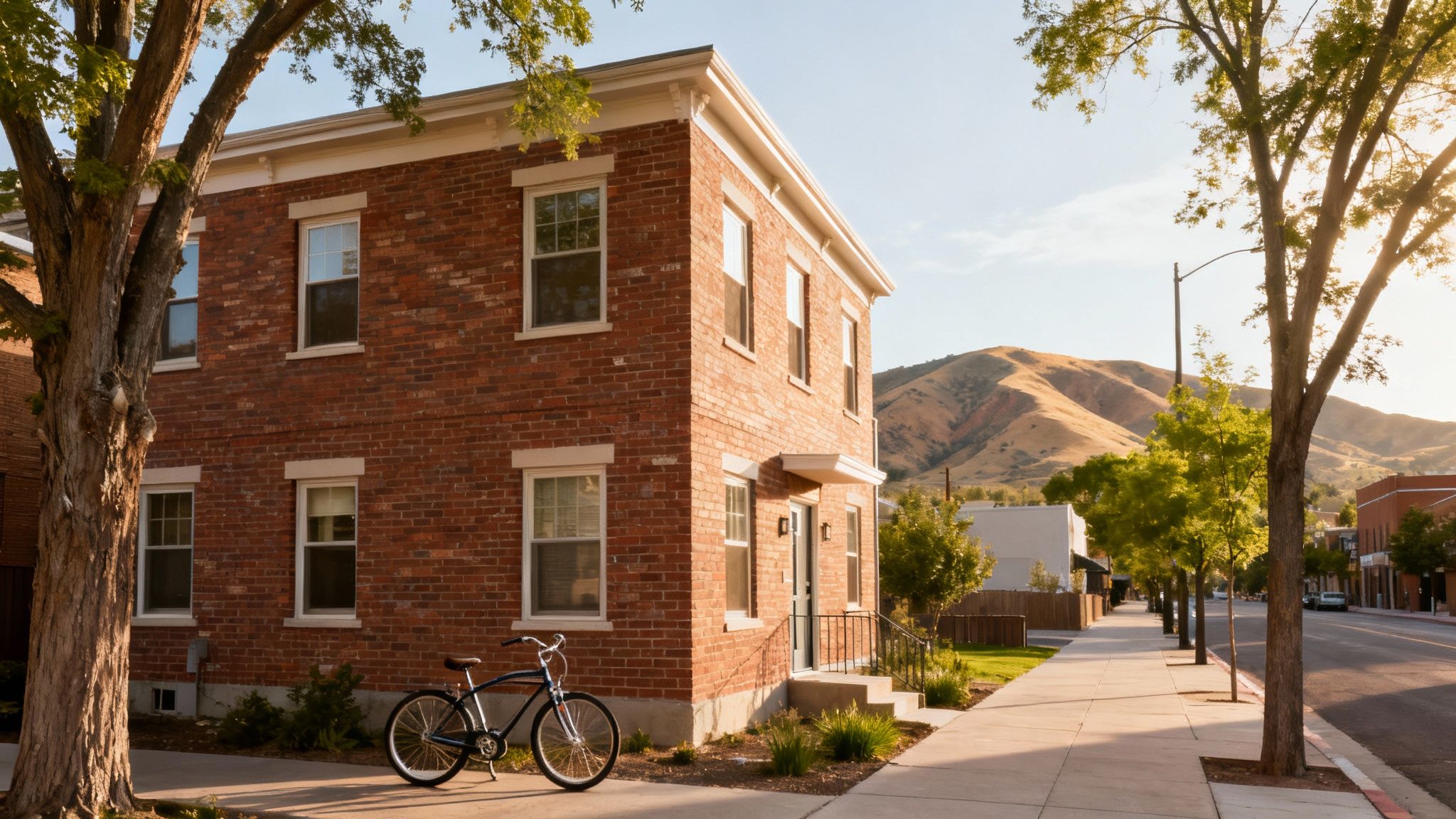
- The North End: This historic and desirable area is a magnet for families, many of whom are moving from expensive states like California. Its charming homes and excellent schools command high rents and have low vacancy rates.
- West Boise/Meridian: Proximity to the Micron headquarters and other tech employers makes this area a hub for skilled renters. Single-family homes and townhomes are ideal for this strong tenant group.
Actionable Tips for Boise Investors
To succeed in this fast-moving market, investors must be quick and data-driven, targeting properties that appeal to Boise’s growing professional class.
- Move Quickly: Boise is attracting a lot of attention from big investors. Act fast when a good opportunity comes up, as prices are rising.
- Target Key Demographics: Focus on properties that appeal to tech professionals and relocating families. 2-3 bedroom homes with office space or good internet are highly desirable.
- Analyze Before You Buy: Use tools to find undervalued properties before the market gets too hot. Run the numbers to ensure strong monthly income.
- Focus on Revitalization Zones: Target properties in and around downtown revitalization areas to get the most benefit from rising property values.
10. Salt Lake City, Utah - Family-Focused Tech Growth Market
Salt Lake City's unique mix of a booming tech scene, family-friendly culture, and affordable property prices makes it one of the best markets for rental properties. The city is a magnet for tech professionals and young families drawn to its excellent quality of life, which includes top-rated schools, amazing outdoor recreation, and a lower cost of living compared to coastal tech hubs.
This isn't just a temporary trend. Major tech companies like Adobe and Google are expanding here, creating a steady stream of high-quality jobs. This strong economic growth provides a stable foundation for real estate investment, driving consistent demand for family-sized rental homes and promising both good monthly income and long-term appreciation.
Investment Hotspots & Strategy
While the whole metro area is growing, certain neighborhoods offer a better balance of affordability, rental demand, and growth potential.
- Downtown Salt Lake City: This area is undergoing significant urban renewal and is seeing property values increase by 8-10% annually. It attracts young professionals seeking a walkable, urban lifestyle.
- Sugar House: This popular neighborhood is a prime target for investors. Its charming atmosphere, local shops, and good schools appeal to both young families and professionals, ensuring low vacancy rates.
- South Jordan: As a hub of new development and corporate offices, South Jordan has a huge demand for family rentals. Its master-planned communities and great amenities make it a top choice for long-term tenants.
Actionable Tips for Salt Lake City Investors
To succeed in this market, focus on properties that cater to the main renter group: families looking for a blend of career opportunities and lifestyle perks.
- Focus on Family-Oriented Neighborhoods: Prioritize properties in areas with good school districts and community amenities to attract high-quality, long-term tenants.
- Target 3+ Bedroom Units: The demand for single-family homes with three or more bedrooms is exceptionally high, offering a clear path to consistent rental income.
- Leverage Outdoor Access: Properties close to hiking trails, ski resorts, and parks can get higher rent. Highlight these features in your listings to attract lifestyle-focused renters.
- Monitor Tech Expansion: Keep a close watch on news from major tech employers. New office developments are a great sign of where rental demand will pop up next.
Top 10 Rental Markets Comparison
| Market | 🔄 Implementation complexity | ⚡ Resource requirements | 📊 Expected outcomes | 💡 Ideal use cases | ⭐ Key advantages |
|---|---|---|---|---|---|
| Austin, Texas - Tech Hub Growth Market | Medium 🔄 — competitive acquisitions; evolving STR rules | Moderate ⚡ — mid-range downpayment; management for young professionals | Avg rent $1,650–$1,850; cap 4.5–6.5%; yield 5–7%; appreciation potential high | Growth-focused investors seeking appreciation + steady cash flow 💡 | ⭐ Tech-driven demand; no state income tax; strong rental yields |
| Nashville, Tennessee - Emerging Entertainment Market | Medium 🔄 — rapid growth, infrastructure strain | Moderate ⚡ — lower entry vs peers; proximity to downtown preferred | Avg rent $1,400–$1,600; cap 5.0–7.0%; yield 5.5–7.5%; solid appreciation | Emerging-market investors; short-term/long-term mix near downtown 💡 | ⭐ Booming music & healthcare sectors; tourism supports STRs |
| Denver, Colorado - Millennial Migration Hub | Medium-High 🔄 — higher construction costs, zoning considerations | Moderate-High ⚡ — slightly higher acquisition/renovation costs | Avg rent $1,550–$1,750; cap 4.8–6.5%; yield 5.0–6.8%; consistent 6–8% appreciation | Long-term investors targeting millennial renters and transit-oriented assets 💡 | ⭐ Strong renter demographics; transit access; steady appreciation |
| Phoenix, Arizona - Sun Belt Growth Powerhouse | Low-Medium 🔄 — sprawling market, simpler permitting in many submarkets | Low ⚡ — affordable land; multiple acquisition opportunities; amenity upgrades (pool/AC) | Avg rent $1,300–$1,500; cap 5.5–8.0%; yield 6.0–8.5%; high cash flow | Buy-and-hold cash-flow investors seeking high yields 💡 | ⭐ High cap rates; affordable entry; large, diverse tenant base |
| Raleigh-Durham, NC - Research Triangle Tech Center | Low-Medium 🔄 — stable regulation, university influence | Moderate ⚡ — affordable relative to growth; skilled tenant pool | Avg rent $1,350–$1,550; cap 5.0–6.8%; yield 5.5–7.0%; steady 5–6% appreciation | Conservative investors seeking stable cash flow near universities/tech parks 💡 | ⭐ Educated tenants; strong employers; diversified neighborhoods |
| Tampa, Florida - Urban Renewal Waterfront Market | Medium 🔄 — flood/hurricane mitigation and insurance requirements | Moderate ⚡ — affordable prices but higher insurance/mitigation costs | Avg rent $1,350–$1,550; cap 5.0–6.5%; yield 5.5–7.0%; strong appreciation in waterfront zones | Investors targeting revitalization corridors and short-term demand near waterfronts 💡 | ⭐ Waterfront projects; no state income tax; diverse renter mix |
| Portland, Oregon - Eco-Conscious Urban Market | Medium-High 🔄 — tenant-friendly regulations; stricter eviction rules | High ⚡ — higher purchase prices; lower cap rates require selective upgrades | Avg rent $1,650–$1,900; cap 3.5–5.0%; yield 4.0–5.5%; premium rents | Quality-over-quantity investors targeting premium, stable tenants 💡 | ⭐ Affluent tenant base; sustainability branding & transit access |
| Charlotte, North Carolina - Banking and Finance Hub | Low-Medium 🔄 — straightforward acquisitions; suburban dynamics | Moderate ⚡ — affordable entries; good for portfolio building | Avg rent $1,400–$1,600; cap 5.0–6.5%; yield 5.5–7.0%; steady 5–6% appreciation | Investors seeking stable demand from finance professionals and families 💡 | ⭐ Strong banking jobs; stable employment; family-friendly markets |
| Boise, Idaho - Affordable Emerging Frontier Market | Low-Medium 🔄 — fast-moving market with limited historical data | Low ⚡ — lowest entry costs; high short-term competition | Avg rent $1,200–$1,350; cap 6.5–9.0%; yield 7.0–10.0%; rapid appreciation 8–12% | Aggressive investors seeking undervalued markets and high upside 💡 | ⭐ Lowest entry costs; exceptional cash flow; strong recent growth |
| Salt Lake City, Utah - Family-Focused Tech Growth Market | Low-Medium 🔄 — seasonal demand variation; family zoning considerations | Moderate ⚡ — favors 3+ BR units; reasonable acquisition costs | Avg rent $1,450–$1,650; cap 5.0–6.8%; yield 5.5–7.5%; healthy appreciation | Investors targeting family rentals near good schools and growing tech employers 💡 | ⭐ Family renter stability; growing tech corridor; strong QoL amenities |
From Data to Deal: Taking Action in Today's Top Markets
You've just explored ten of the best markets for rental properties in the country. From the tech-fueled growth of Austin to the stable economies of Charlotte, each city offers a strong case for investment. We’ve seen how factors like job growth, population changes, and quality of life come together to create great opportunities for real estate investors.
The main takeaway is that the "best" market depends on your personal goals. An investor focused on monthly income might lean toward an affordable market like Boise, while someone focused on long-term appreciation might prefer Phoenix or Denver. The key is to look beyond the headlines and dig into the details of each neighborhood and each individual property.
Your Blueprint for Actionable Analysis
Finding a promising city is just the first step. The real work—and where you make your money—is in analyzing each deal carefully. This guide is your roadmap, but now it's time to take the wheel.
Here are your next steps to go from researching markets to making a confident offer:
- Define Your "Why": Before you look at a single listing, know your goal. Do you want immediate monthly income, long-term growth for retirement, or both? Your answer will determine what numbers you focus on.
- Zoom In on Neighborhoods: A city like "Tampa" is made up of many different neighborhoods. Once you pick a city, drill down to the neighborhood level. Look at school districts, crime rates, and closeness to parks and public transport.
- Build Your Local Team: You can't successfully invest from far away without a reliable local team. Start looking for a real estate agent who specializes in investment properties, a good property manager, and a few reliable contractors. This team is your most valuable asset.
- Consider Different Strategies: Not all rental properties are the same. A single-family home in a Salt Lake City suburb serves a different renter than a downtown Nashville condo. You could also look at niche strategies like student housing near universities or short-term rentals in tourist areas. For ultimate stability, you might even find unique opportunities like properties with government-assured rental income for 25 years, which offer unmatched security.
The Final Word: Turning Insight into Income
Ultimately, success in real estate investing comes down to analyzing deals accurately and consistently. The markets we've detailed have incredible potential, but they are also competitive. The investors who succeed are the ones who can look through dozens of listings, find the true gems, and act with confidence because they've done their homework.
This isn't about guessing. It's about building a repeatable system that combines high-level market knowledge with property-level financial analysis. By taking this methodical approach, you can turn a list of promising cities into a portfolio of high-performing properties. Your journey to finding the best markets for rental properties has led you here; now it's time to take that knowledge and build lasting wealth.
Ready to stop guessing and start analyzing? Flip Smart is the essential tool for turning market potential into profitable deals. Use our platform to instantly evaluate any property in these top markets, from calculating ARV and rehab costs to projecting cash flow and ROI. Make your next investment your best investment by visiting Flip Smart today.
Frequently Asked Questions (FAQ)
1. How do I get financing for my first rental property?
For your first investment property, you'll typically need a conventional investment property loan, which usually requires a down payment of at least 20-25% and a good credit score (often 680 or higher). Lenders will also look at your debt-to-income ratio to ensure you can afford the new mortgage payment. It's a good idea to talk to multiple lenders or a mortgage broker to compare loan terms and find the best rate.
2. What should I look for during a property inspection?
A professional inspection is crucial. Pay close attention to the "big ticket" items: the roof's age and condition, the foundation for any cracks or signs of shifting, the electrical panel's age and capacity, the plumbing for leaks, and the HVAC system's age and performance. These are the most expensive things to fix, so knowing their condition upfront helps you budget and negotiate.
3. What is a "good" return on a rental property?
A "good" return depends on your goals, but many investors aim for a capitalization (cap) rate of 5-8% and a cash-on-cash return of 8-12% or more. The cap rate measures the property's income relative to its price, while the cash-on-cash return measures the annual cash flow relative to the actual cash you invested (your down payment and closing costs).
4. How do I know if a market has long-term growth potential?
Look for three key indicators: consistent job growth (especially in diverse, high-paying sectors like tech and healthcare), positive population growth (are more people moving in than out?), and ongoing development projects (is the city investing in infrastructure, public transit, and new business centers?). Markets with all three have a strong foundation for long-term appreciation.